Why Does Your Laundering Maker Trip the Electricity?
Your cleaning equipment can journey the electrical power for a number of reasons. Usual reasons include electric motor overload due to way too many clothes, malfunctioning electrical wiring, or dampness in electric elements. Problems like damaged power cords or improper cleaning cycles can also add to too much present draw. Acknowledging indicators such as flickering lights or uncommon sounds can assist you determine problems early. Recognizing these elements is crucial for preserving security and performance in your house. More understandings await to help you troubleshoot efficiently.
Takeaways
- Straining the cleaning device with way too many garments can create motor pressure and bring about stumbling the circuit.
- Faulty circuitry or damaged power cords can create short circuits, leading to constant electricity journeys.
- Water ingress into electrical elements from damaged seals can trigger brief circuits, leading to stumbling.
- Inconsistent GFCI behavior may suggest circuitry issues or persistent ground mistakes, activating electric trips.
- Too much current draw from using an inappropriate clean cycle can exceed circuit capacity and reason tripping.
What Creates Washing Machines to Journey Power?
When your washing equipment trips the power, it usually directs to underlying concerns that can impact its performance. One typical reason is motor overload, which occurs when the motor attracts more current than the circuit can handle. This can take place as a result of straining the maker with way too many clothes or making use of an unacceptable cycle. Another substantial variable is water ingress, where wetness permeates into electric elements, creating brief circuits. This can arise from malfunctioning seals or damaged hose pipes. Both of these concerns not just interfere with operation but also position security hazards. Normal maintenance and promptly attending to any type of leaks or uncommon sounds can help prevent these troubles, making sure that your cleaning equipment runs efficiently and safely.
Indicators Your Washer Is Overloading the Circuit
If your washing maker is overwhelming the circuit, you may observe too much circuit breaker trips. Furthermore, unusual sounds or scents can show that the home appliance is stressing under the load. Identifying these indications early can stop additional electric concerns and possible damage to your machine.
Excessive Breaker Trips
Extreme circuit breaker trips frequently indicate that your cleaning device is overloading the circuit. This overload can lead to overloaded electrical wiring, which might trigger breaker wear gradually. If you observe regular tripping, it's crucial to evaluate the circumstance promptly. Right here are some indications to try to find:
- Irregular power: If the washing maker starts and quits suddenly, it might show an loaded down circuit.
- Constant tripping: If the breaker trips after every wash cycle, your device could be drawing way too much current.
- Dimmed lights: If your home's lights flicker when the washing machine runs, it recommends that the circuit's capacity is being gone beyond.
Addressing these issues quickly can avoid more damages to both your appliance and your home's electrical system.
Uncommon Noises and Smells
Unusual sounds and smells from your cleaning machine usually indicate that it's stressing under electric lots. If you listen to grinding noises, it might recommend that the electric motor is exhausting because of an overloaded circuit. This can cause overheating, which is a fire threat. Likewise, strange odors-- specifically shedding or stuffy scents-- can indicate electric concerns or worn parts. These signs shouldn't be disregarded; they typically imply the maker is using more power than it should, which can trip your breaker. Regularly check for overwhelming, make certain appropriate ventilation is given, and stay clear of running several high-energy home appliances at the same time. Resolving these problems promptly can stop more damages and keep your cleaning equipment running efficiently.
The Effect of Faulty Electrical Wiring on Washing Machines
When your cleaning equipment experiences electrical problems, faulty circuitry might be a substantial perpetrator. It's essential to understand how wiring issues can influence your home appliance's performance and safety. Right here are a few key factors to consider:
- Faulty links can lead to shorts, causing the machine to trip the electrical energy.
- Degraded insulation may expose cords, raising the danger of shocks or electric fires.
- Regular inspections can aid recognize these concerns prior to they rise.
Attending to malfunctioning wiring without delay can conserve you from costly repair services and make sure your cleaning machine runs safely. If you see any electric issues, it's important to speak with an expert to analyze the electrical wiring and protect against further complications.
What Are GFCIs and Exactly How Do They Work?
GFCIs, or Ground Fault Circuit Interrupters, play a vital duty in safeguarding you from electrical shocks by checking the flow of present. If they identify a discrepancy, they rapidly reduced power to stop possible dangers. Understanding their functionality and common issues can aid you preserve a safer laundry setting.
GFCI Capability Explained
Although you may not believe about it usually, Ground Mistake Circuit Interrupters (GFCIs) are necessary for avoiding electric shocks in areas where water and electricity can intersect, such as utility room. They discover ground mistakes-- unforeseen electricians in erith existing leakages to the ground-- by keeping track of the present moving with the circuit. If a discrepancy is identified, the GFCI promptly removes power, supplying receptacle protection.
Below's exactly how GFCIs work:
- Discovery: They keep track of present flow and determine inconsistencies.
- Feedback: Upon identifying a ground fault, they trip the circuit within milliseconds.
- Resetting: After stumbling, you can reset the GFCI manually.
Value of GFCIs
Typically neglected, Ground Fault Circuit Interrupters (GFCIs) are vital for electric safety, specifically in moisture-prone locations like washing spaces and bathrooms. These gadgets provide crucial home appliance protection by discovering ground faults, which happen when electrical energy escapes the intended circuit. In spaces like bathroom and kitchens, where water and power can mix, GFCIs avoid unsafe shocks by removing power instantly. They're likewise vital for outdoor receptacles, safeguarding against the aspects. Mounting GFCIs not just boosts safety but also adheres to electric codes, ensuring your home's electrical system is up to criterion. By comprehending their relevance, you can much better safeguard yourself and your home appliances from prospective threats associated with ground faults.
Common GFCI Issues
Understanding exactly how GFCIs function is essential for troubleshooting issues that may emerge. Ground Fault Circuit Interrupters (GFCIs) secure you from electrical shock by monitoring the current streaming with the circuit. If it spots an inequality, indicating a ground mistake, it journeys the circuit to stop harm. Below are some common GFCI issues you may encounter:
- Constant tripping: This might suggest a persistent ground fault or wetness in the receptacle.
- Failure to reset: If the receptacle won't reset, it might be damaged or require expert inspection.
- Inconsistent operation: Sometimes GFCIs trip without a clear cause, which might signify underlying wiring issues.
Routine maintenance and recognizing these problems can improve your safety and security and home appliance performance.
Tips for Securely Fixing Electrical Troubles
When troubleshooting electrical troubles in your washing equipment, it's important to prioritize safety to stop further damages or injury. Start with an outlet assessment; make specific it's not harmed and is appropriately grounded. Next, disconnect the maker from power before you begin any type of work. Use a multimeter for power screening to examine for voltage abnormalities. If you locate irregular analyses, the problem may lie within the device's circuitry or components. Constantly wear shielded gloves and prevent touching subjected cords. If you're not sure regarding any action, it's better to stop and reassess. Remember, your security is vital, so don't hesitate to seek advice from the user handbook for details standards concerning your design.
When to Call a Professional Electrical Contractor for Help?
Even after adhering to security protocols and conducting thorough troubleshooting, some electric problems in your washing maker might stay unsettled. In these cases, it's crucial to call an expert electrical expert for aid. Right here are some indications that it's time to look for professional aid:
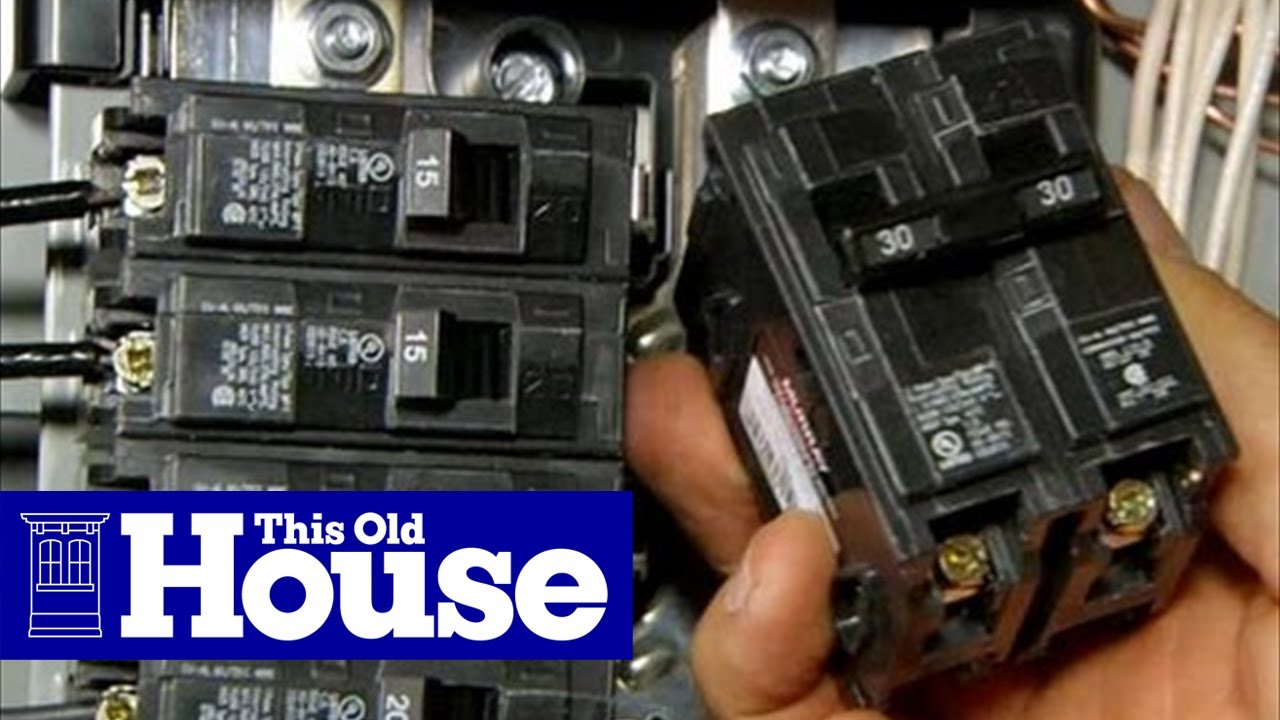
- You see relentless tripping of the breaker, also after appliance medical diagnosis.
- There's noticeable damage to the power cable or plug, indicating a prospective fire risk.
- You listen to unusual noises or odor burning, suggesting significant electric issues.
Do not risk your safety and security or additional damage to your home appliance. A qualified electrical expert can accurately diagnose and resolve complicated electrical issues, ensuring your cleaning machine runs safely and efficiently. Constantly focus on safety and security when handling electrical devices.
Frequently Asked Questions
Can Utilizing Expansion Cords Reason Laundering Machines to Trip Power?
Yes, using expansion cords can cause cleaning machines to trip electrical power. When you connect your washer right into an extension cable, it might experience a voltage decrease, leading to inadequate power supply. This can overload the circuit, causing the breaker to trip. It's crucial to make use of durable expansion cords ranked for your washer's power needs and prevent overwhelming them to guarantee risk-free procedure without disrupting your home's electric system.
Exactly how Usually Should I Inspect My Washer's Power Cable?
You should inspect your washing device's power cord quarterly. Normal checks help recognize any type of fraying, damage, or use that could lead to electric problems. If you notice anything uncommon, change it instantly to guarantee security and top efficiency. Keeping an eye on the power cord not only stops potential threats however additionally prolongs your home appliance's lifespan. Don't forget this crucial upkeep step; it's necessary for safe and efficient procedure.
Are Specific Washer Brands Much More Prone to Tripping Electricity?
Oh sure, if you assume your cleaning machine's obtained an individuality, you could be onto something! Some brand names do have a track record for stumbling electrical power more than others, often due to model variations in their style and circuitry. Higher-end brands may spend in far better safety and security functions, while spending plan versions might not stand as electrician erith well. So, if you want to maintain the lights on, it deserves investigating brand credibility before acquiring!

Can Humidity Influence My Washing Device's Electrical Performance?
Yes, moisture can affect your washing maker's electric efficiency. High humidity levels may bring about dampness access, causing electrical components to short-circuit or malfunction. This wetness can create conductive courses where there should not be any kind of, increasing the danger of tripping your circuit breaker. To reduce these problems, make certain appropriate ventilation and take into consideration making use of a dehumidifier in locations with high humidity to secure your home appliance's durability and efficiency.

What Typical Family Things Should I Prevent Near My Washer?
Envision your cleaning machine as a castle, requiring defense from undesirable guests. Maintain items like metal devices and cleaning agent splashes at bay. Metal can cause shorts or corrosion, while detergent spills create unsafe hazards and prospective electric problems. Keep a clean perimeter around your device, guaranteeing it runs securely and efficiently. Prevent mess, and your washing maker will preponderate, washing your clothes without the threat of electrical problems or damages.